Dry eye: why it happens and what genuinely helps
A consultant ophthalmic surgeon's guide to dry eye disease — from screen habits and MGD to drops, warm compresses and when to seek help.
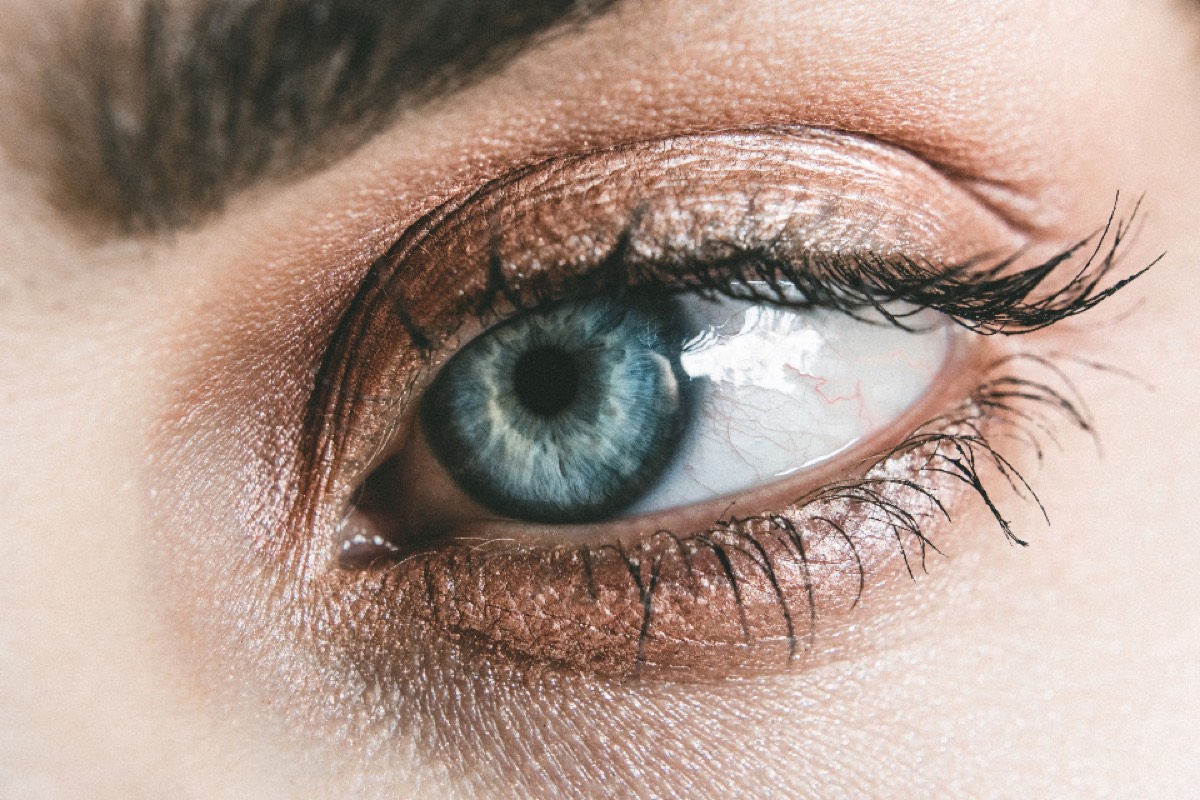
Dry eye is one of the most common reasons people see an eye specialist, and it’s rising — screens are a big part of why. The good news: most dry eye responds well to simple, consistent treatment once you understand which kind you have.
What are the two kinds of dry eye?
Your tear film has a watery layer and an oily layer. Aqueous-deficient dry eye means you don’t make enough of the watery part. But the far more common type — around 8 in 10 cases — is evaporative dry eye, where the oily layer is inadequate, so tears evaporate too fast.
That oil comes from the meibomian glands along your eyelid margins; when they become blocked or sluggish (meibomian gland dysfunction, MGD), the tear film fails.
Screens make this worse for a simple reason: when you concentrate, your blink rate drops by half or more, and blinking is what spreads and expresses that oil.
What genuinely helps dry eye?
Lubricating drops are the first step — preservative-free versions are kinder to the eye surface if you use them more than a few times a day. Our preservative-free dry eye drops are chosen for daily use.
Warmth, then massage. For MGD, the single most effective home treatment is heating the eyelids to soften the blocked oil, then gently massaging it out. A microwavable warming eye mask holds the right temperature (around 40°C) for the full 10 minutes needed — a hot flannel cools within a minute, which is why it rarely works.
Lid hygiene. Cleaning the lash margins with dedicated lid wipes or cleanser helps where blepharitis accompanies dry eye — as it very often does.
Blink breaks and the 20-20-20 rule. Every 20 minutes, look at something 20 feet away for 20 seconds, and add a few deliberate full blinks.
Diet. Omega-3 fatty acids (EPA and DHA) contribute to normal vision and many people with dry eye find them helpful as part of the routine — see omega-3 supplement.
When should you seek help for dry eyes?
See an optometrist or doctor if you have eye pain, light sensitivity, sudden vision change, or one red eye that’s getting worse — those aren’t ordinary dry eye.
If good home care hasn’t helped after a month or two, a proper assessment can identify what’s being missed; prescription treatments and in-clinic options exist for stubborn cases.
Read our dry eye condition hub for symptoms and red flags.
Frequently asked questions
What causes dry eyes?
Most dry eye is evaporative — the oily tear layer is inadequate because meibomian glands in the eyelids under-deliver oil. Screen use, age, contact lenses, hormones, some medicines and blepharitis all contribute.
Do warm compresses help dry eyes?
Yes for meibomian gland dysfunction (MGD), the commonest cause. Ten minutes of consistent heat (around 40°C) softens blocked oil, followed by gentle lid massage. Microwavable masks outperform hot flannels that cool too quickly.
Which eye drops are best for dry eye?
Preservative-free lubricating drops are first-line, especially if used more than a few times daily. Drops with sodium hyaluronate hold moisture longer. Avoid drops with redness relievers for regular use — they can worsen dryness long term.
When should I see a doctor for dry eyes?
Seek prompt care for eye pain, marked light sensitivity, sudden vision change, or one increasingly red eye. Otherwise, if consistent home care hasn't helped after 1–2 months, get assessed — prescription options exist.
Ready to compare clinics?
See the regulated UK online clinics that treat this, side by side on fees, delivery and ratings. Each clinic's own registered clinicians decide what's suitable for you.
Compare clinics