Blepharitis: the eyelid condition behind so many irritated eyes
Consultant-reviewed guide to blepharitis — symptoms, the daily routine that controls it, and how it links to styes, chalazia and dry eye.
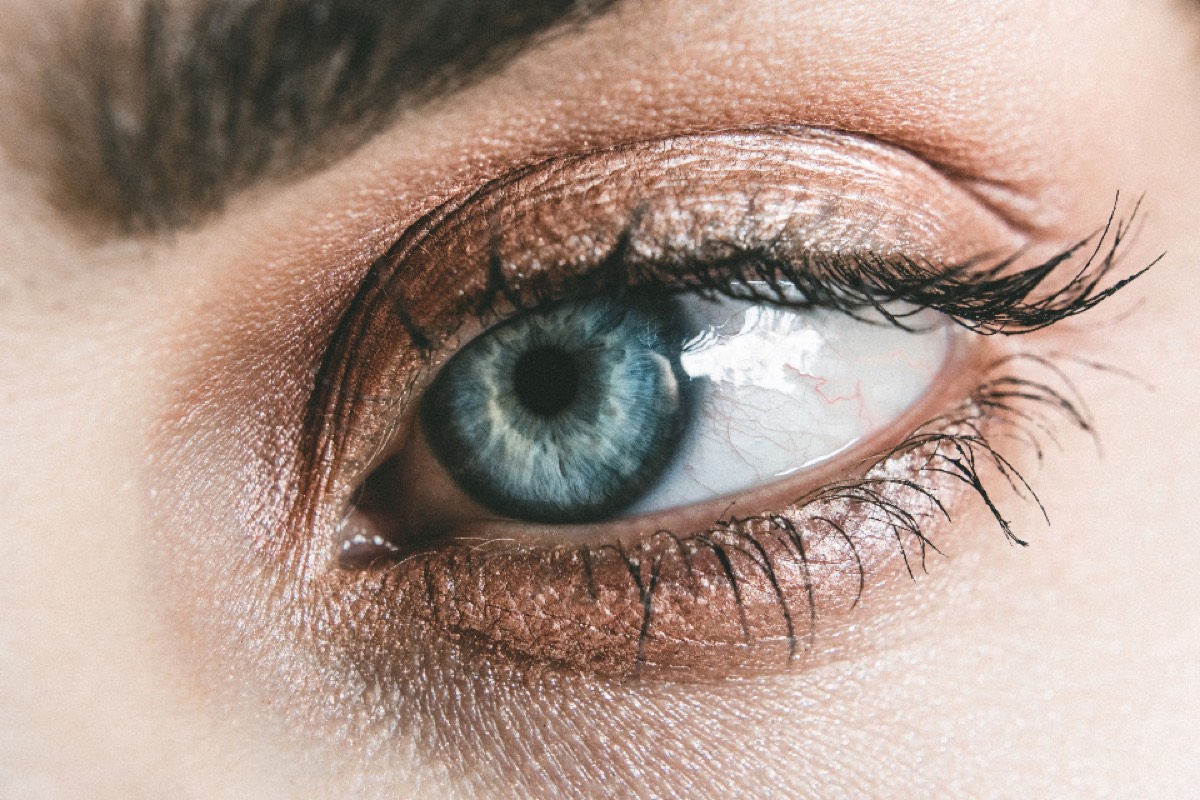
Gritty, red-rimmed, crusty or itchy eyelids — especially first thing in the morning? That’s very likely blepharitis, inflammation of the eyelid margins. It’s extremely common, it’s chronic (it’s managed, not cured), and the difference between misery and comfort is usually a simple daily routine done consistently.
What’s happening in blepharitis?
The lid margins host oil glands and, like any skin, a population of bacteria. In blepharitis the balance tips: glands block, bacteria overgrow, debris builds at the lash roots, and the lids become inflamed.
It frequently travels together with dry eye (the blocked glands starve the tear film of oil) and it’s the usual background cause of styes and chalazia (eyelid cysts).
What daily routine controls blepharitis?
Think of it like dental hygiene for your eyelids — the secret isn’t the product, it’s the daily repetition:
Warmth first. Ten minutes with a microwavable warming compress softens the gland oil and loosens debris. Consistent heat at the right temperature matters — see our warming eye mask.
Then clean. Gently massage the lids towards the lashes, then clean the lash margins with dedicated lid wipes or cleanser. Preservative- and detergent-free options are kindest to already-irritated lids.
Then lubricate. Finish with preservative-free drops if your eyes feel dry.
Do this daily for two to four weeks, then maintain a few times a week. Most flare-ups trace back to the routine quietly stopping.
When does blepharitis need more than home care?
If the lids are increasingly painful or swollen, vision is affected, a stye doesn’t settle, or a chalazion persists for weeks, get assessed — short courses of prescription treatment, or a minor procedure for a stubborn chalazion, may be appropriate.
Read our blepharitis condition page for red flags and self-care detail.
Frequently asked questions
What are the symptoms of blepharitis?
Red, swollen or itchy eyelid margins, crusting or flakes at lash roots (often worst in the morning), gritty eyes, and recurrent styes or chalazia. It frequently occurs with dry eye.
Can blepharitis be cured?
Blepharitis is chronic — it's managed, not cured. A simple daily lid routine controls symptoms for most people. Stopping the routine is the commonest reason symptoms return.
How do you treat blepharitis at home?
Warm compress 10 minutes, gentle massage toward lashes, then clean lid margins with dedicated wipes or cleanser. Maintain several times weekly once settled.
When does blepharitis need prescription treatment?
Increasing pain or swelling, vision changes, a stye not settling in 1–2 weeks, or a persistent chalazion for weeks — get assessed. Short antibiotic courses or minor procedures may help.
Ready to compare clinics?
See the regulated UK online clinics that treat this, side by side on fees, delivery and ratings. Each clinic's own registered clinicians decide what's suitable for you.
Compare clinics